LiverTracker Blog
Expert articles on liver health, nutrition, lab results, and wellness — written for patients who want to understand their health.

How Often Should I Get Blood Tests with Liver Disease?
This article provides a clear, evidence-based schedule for blood tests if you have liver disease. Understand which tests to take and how often to monitor your liver health.

My FibroScan Score Is 12 — What Does That Mean?
If you've received a FibroScan score of 12 kPa, you may be wondering what it means for your liver health. This article breaks down the significance of your score and the fibrosis stages associated with it.

I Was Just Told I Have Cirrhosis — What Do I Do First?
Receiving a cirrhosis diagnosis can be overwhelming. This article outlines a step-by-step action plan to help you manage your liver health from day one.

What Is Alkaline Phosphatase and Why Is Mine High?
This article explores alkaline phosphatase (ALP), its significance, and what high levels could indicate. Learn how to determine the source of elevation and its implications for your health.

My Doctor Said My Platelets Are Low — Is It My Liver?
Low platelet counts can be a sign of underlying liver problems. This article explores the connection between thrombocytopenia and liver health, explaining why monitoring platelet levels is crucial.

My AST Is Higher Than My ALT — What Does the De Ritis Ratio Mean?
This article explores the significance of the De Ritis ratio when AST is higher than ALT. Understand how this ratio aids in diagnosing liver conditions and what it reveals about liver health.

What Does GGT Mean on My Blood Test?
GGT, or gamma-glutamyl transferase, is a crucial enzyme on your blood test that indicates liver health. Understanding GGT can help you interpret your liver panel results.

What Does an ALT of 60 Mean? When to Worry About Mildly Elevated Liver Enzymes
If your ALT is 60, it's mildly elevated and not an immediate cause for concern. This article explains what ALT means, its implications, and the next steps.

How Alcohol Damages Your Liver: The Science Explained Simply
Alcohol-related liver disease is a leading cause of preventable death. This article explains how alcohol damages the liver in three stages, highlighting the importance of cessation.

Liver Disease and Anemia: Why Your Hemoglobin Is Low
Anemia is a common complication of liver disease, affecting many patients. This article discusses the various causes of low hemoglobin and how to evaluate and treat it.

What Is a Paracentesis? The Procedure That Drains Ascites
Paracentesis is a medical procedure used to drain excess ascitic fluid from the abdomen. This guide explains the process, what to expect, and the relief it provides.

Liver Disease and Hair Loss: Why It Happens and What Helps
Hair loss is a common issue for liver disease patients, stemming from nutritional deficiencies and hormonal changes. This article explores the causes and offers actionable solutions to help manage hair thinning.

Understanding INR and Clotting in Liver Disease
This article explores the role of INR in liver disease, detailing how liver function impacts clotting. Learn about the clinical significance of INR levels and their implications for patient care.

What Is Liver Fibrosis? Stages F0 Through F4 Explained
Liver fibrosis is the scarring of the liver, impacting prognosis and treatment. This article explains the stages from F0 to F4, highlighting their significance for liver health.

Liver Disease and Your Immune System: Why You Get Sick More Often

What Is Spontaneous Bacterial Peritonitis (SBP)? Why Fever with Ascites Is Always an Emergency
Spontaneous bacterial peritonitis (SBP) is a life-threatening infection of ascitic fluid, often occurring in cirrhosis patients. Recognizing symptoms like fever and abdominal pain is crucial for timely treatment.

Why Are My Eyes and Skin Yellow? Understanding Jaundice in Liver Disease
Jaundice is a visible sign of liver disease, characterized by yellowing of the eyes and skin due to bilirubin buildup. This article explores the causes, symptoms, and implications of jaundice in liver health.

Vitamins and Supplements with Liver Disease: What's Safe and What's Dangerous

Liver Disease and Dental Health: Why Your Mouth Matters

What Is Hepatopulmonary Syndrome? When Your Liver Steals Your Breath
Hepatopulmonary syndrome (HPS) is a serious lung complication of liver disease that affects oxygen levels. This article explores its symptoms, diagnosis, and treatment options.

How to Talk to Your Family About Your Liver Disease
Discussing liver disease with your family can be daunting. This guide provides steps to prepare for and navigate these important conversations.

Understanding Your Liver Ultrasound Results: What the Report Actually Means
Understanding your liver ultrasound results can be daunting. This article translates complex medical terms into plain language, helping you grasp your report before your follow-up appointment.

Muscle Cramps and Liver Disease: Why They Happen and What Helps
Muscle cramps are a common yet often overlooked symptom in cirrhosis patients. This article explores the causes of these cramps and offers practical solutions for relief. Gain insights into managing this painful condition and improving your quality of life.

Palliative Care and Liver Disease: It's Not Just About End of Life
Palliative care is essential for liver disease patients, offering relief from symptoms and stress at any stage of illness. It's not just about end-of-life care but a vital part of comprehensive treatment.

What Is Hepatic Hydrothorax? Fluid in the Lungs from Liver Disease
Hepatic hydrothorax is a serious condition where fluid from ascites accumulates in the pleural space, leading to breathing difficulties. This article explores its causes, symptoms, diagnosis, and treatment options for those affected.

Liver Disease and Anxiety: Managing PTSD, Health Anxiety, and Panic
This article explores the intense anxiety experienced by liver disease patients, including health anxiety and PTSD. It offers specific strategies for managing these conditions.

Navigating Insurance and Disability with Liver Disease
Liver disease presents significant medical and financial challenges. This article discusses insurance coverage, disability benefits, and how to appeal denied claims.

Caregiver Self-Care: Taking Care of Yourself While Taking Care of Them
Caregiver burnout is a serious issue, especially for those caring for loved ones with liver disease. This article explores the signs of burnout and offers practical self-care strategies to help you maintain your health while providing care.

Primary Sclerosing Cholangitis (PSC): A Patient's Guide
This guide provides essential information on Primary Sclerosing Cholangitis (PSC), a chronic liver disease. Understand its symptoms, diagnosis, and the PSC-IBD connection.

Wilson's Disease: When Copper Poisons Your Liver
Wilson's disease is a rare genetic disorder that leads to copper accumulation in the liver and other organs. Early diagnosis is crucial for effective treatment and prevention of serious complications.

Cirrhosis and Pregnancy: What You Need to Know
Pregnancy with cirrhosis is possible but poses significant risks. This guide explores the challenges, necessary precautions, and expert recommendations for expecting mothers with cirrhosis.
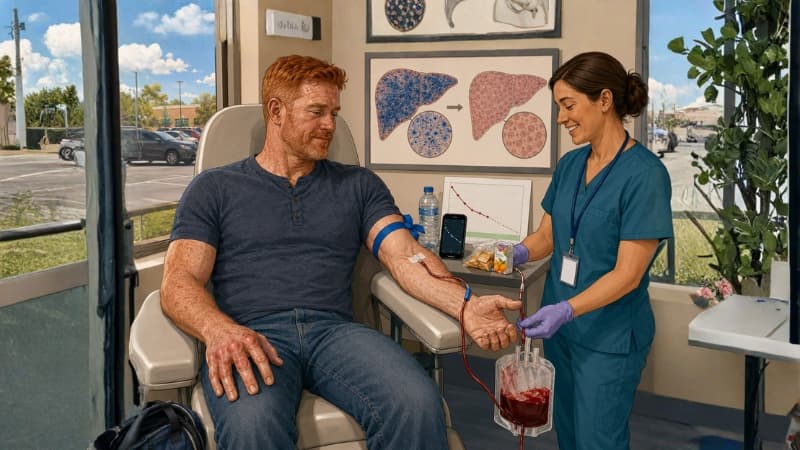
What Is Hemochromatosis? Iron Overload and Your Liver
Hemochromatosis is a genetic disorder that leads to excess iron absorption, primarily affecting the liver. Early diagnosis is crucial to prevent severe complications. This article explores symptoms, risks, and effective treatments.

Hepatitis B: Can It Be Cured or Only Managed?
Chronic hepatitis B can be effectively managed but not fully cured. Understanding the differences between cure, functional cure, and viral suppression is crucial for patients.

Liver Disease and Travel: What You Need to Know Before You Go
Traveling with liver disease, especially cirrhosis, demands thorough preparation. This guide offers crucial advice on medication logistics and health considerations for safe trips.

How to Prepare for Your Hepatology Appointment: Get More from Every Visit
Preparing for your hepatology appointment can significantly impact your care. This guide provides a checklist to help you organize your information and ask the right questions. Ensure you get the most from your visit to the hepatologist.

Cirrhosis and Sexual Health: What Changes and What Helps
Cirrhosis significantly impacts sexual health, affecting libido and intimacy for many patients. This article discusses the biological reasons, hormonal changes, and practical strategies to navigate these challenges.

Hepatitis C: Can It Be Cured? What Every Patient Needs to Know
Hepatitis C is a curable viral infection with modern direct-acting antiviral medications. This article covers the virus, treatment options, and why testing is crucial.

What Is a TIPS Procedure and When Is It Needed?
The TIPS procedure, or Transjugular Intrahepatic Portosystemic Shunt, can significantly improve the quality of life for patients with portal hypertension. This article explains when TIPS is recommended and what the procedure entails.

Primary Biliary Cholangitis (PBC): A Patient's Complete Guide
This comprehensive guide covers Primary Biliary Cholangitis (PBC), a chronic autoimmune liver disease. Learn about symptoms, treatment options, and living with PBC.

What Are the First Signs of Liver Problems?
Liver disease can be silent until it's severe. This article highlights the first signs of liver problems, helping you recognize them early for better outcomes.

Autoimmune Hepatitis: When Your Immune System Attacks Your Liver
Autoimmune hepatitis (AIH) is a chronic liver disease where the immune system mistakenly attacks liver cells. This guide covers its causes, symptoms, and treatment options.

Living Donor Liver Transplant: How It Works and Who Can Donate

Life After Liver Transplant: What the First Year Really Looks Like
This article provides a month-by-month guide to life after a liver transplant. From recovery challenges to medication management, gain insights into your new journey.

How to Stay Healthy While Waiting for a Liver Transplant
Waiting for a liver transplant can be challenging, but it’s crucial to stay proactive. This guide offers actionable tips on nutrition and exercise to improve your health during this critical time.
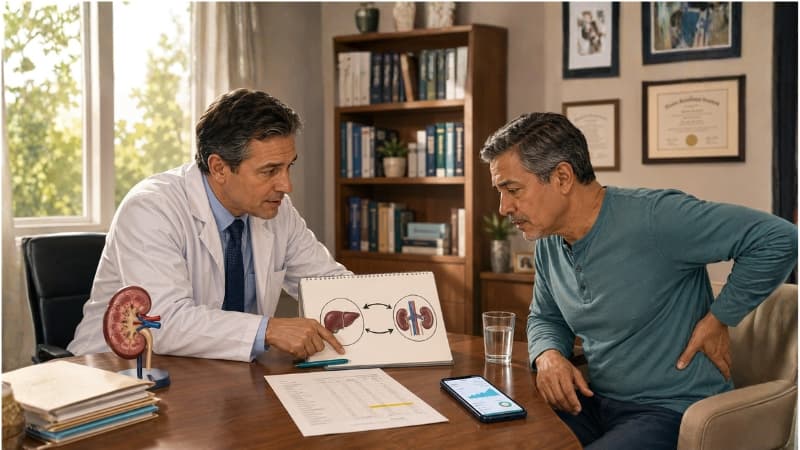
Liver Disease and Kidney Problems: Why They're Connected
This article explores the critical connection between liver disease and kidney problems, emphasizing the importance of monitoring kidney function in patients with cirrhosis. Understanding these links can help in early detection and management of complications.

Why Is My MELD Score Too Low for Transplant Even Though I Feel Terrible?
This article explores the frustrating disconnect between how you feel and your MELD score for liver transplant eligibility. Understand what MELD measures and how to navigate your situation.

What Happens the Day You Get "The Call" for a Liver Transplant?
Receiving 'the call' for a liver transplant can be overwhelming. This article outlines the crucial steps to take from the moment you receive the call to arriving at the hospital.

Liver Disease and Stigma: You're Not to Blame
Liver disease carries a unique stigma, often wrongly associated with alcohol use. This article uncovers the truth about liver disease causes and challenges the harmful assumptions surrounding it.

Can Liver Disease Cause Diabetes? (And Vice Versa)
Liver disease and diabetes are closely linked, each condition increasing the risk of the other. This article explores their bidirectional relationship and offers insights on management.

Is Coffee Good for Your Liver? What the Evidence Actually Shows
This article explores the compelling evidence that coffee is beneficial for liver health. Studies show it reduces risks of liver diseases and improves liver function.

Low-Sodium Cooking: 10 Flavor Tricks That Replace Salt
Struggling with bland meals on a low-sodium diet? This article reveals 10 effective techniques to amplify flavor without salt, making your dishes delicious and satisfying.

Best Protein Sources When You Have Cirrhosis
Cirrhosis patients require more protein than healthy individuals. This article explores the best protein sources, focusing on their protein-to-sodium ratios to help you meet your dietary needs.

Is Intermittent Fasting Safe with Liver Disease?
Intermittent fasting can pose serious risks for individuals with liver disease, particularly cirrhosis. This article explores the dangers and expert recommendations.

Can I Eat Eggs with Liver Disease?
This article explores the benefits of eating eggs for those with liver disease. Eggs are rich in protein and essential nutrients that support liver health.

How Much Sodium Is Actually in Common Foods? A Visual Guide for Liver Patients
This visual guide reveals the sodium content in common foods, helping liver patients make informed dietary choices. Understand your daily sodium limit and find lower-sodium alternatives.
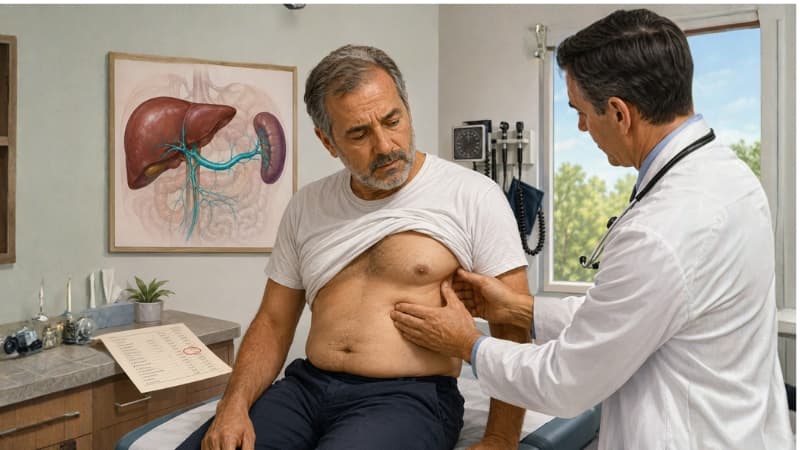
What Does "Splenomegaly" Mean and Why Does My Spleen Matter in Liver Disease?
This article explains splenomegaly, the enlargement of the spleen, and its connection to liver disease. Understand its implications for health and platelet counts.

AFP Blood Test: Why Your Doctor Checks for Liver Cancer Every 6 Months
The AFP blood test is crucial for cirrhosis patients to screen for liver cancer. Discover why regular monitoring is essential and what elevated levels mean.

Liver Biopsy: What to Expect, How It Feels, and What Results Mean
A liver biopsy is a crucial procedure for diagnosing liver conditions. This guide explains what to expect, how to prepare, and the implications of your results.
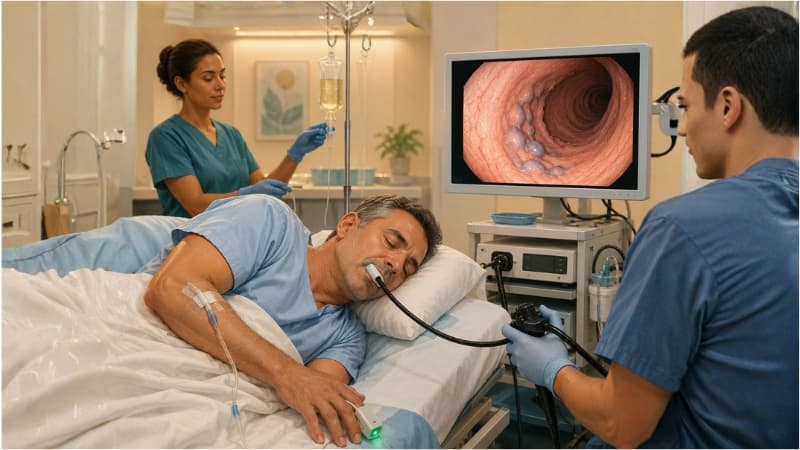
What Is an Endoscopy and Why Do Cirrhosis Patients Need One?
This article explains the importance of endoscopy for cirrhosis patients. It covers what the procedure entails, what doctors look for, and why early detection of varices is vital.

Brain Fog vs Hepatic Encephalopathy: How to Tell the Difference
This article explores the differences between brain fog and hepatic encephalopathy in liver disease. Learn to identify symptoms and when to seek evaluation.

How to Deal with the Fear of Liver Disease Progression
Living with liver disease can bring about intense fear of progression. This article explores the sources of anxiety and offers practical strategies to cope effectively.

Depression and Liver Disease: Why You Feel This Way and What Helps
Depression affects many patients with liver disease, stemming from both emotional and biological factors. This article explores the connections between liver health and mental well-being, offering insights into effective treatments.
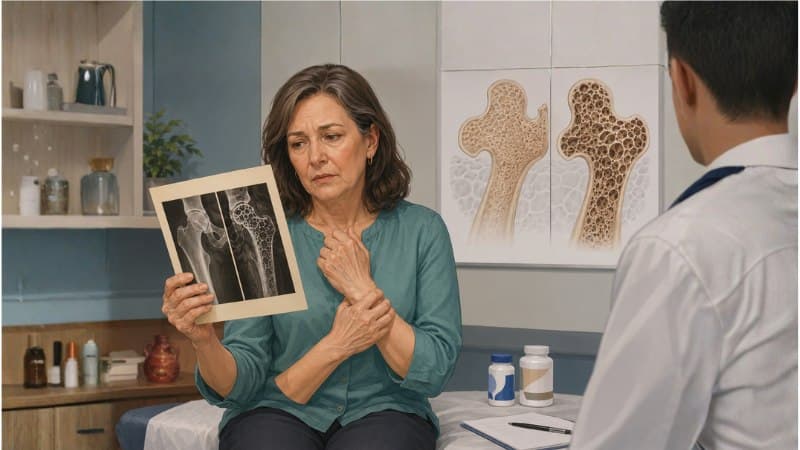
Can Liver Disease Cause Bone Loss or Osteoporosis?
Liver disease can significantly impact bone health, leading to conditions like osteoporosis. Up to 40% of cirrhosis patients experience bone disease, making awareness crucial.
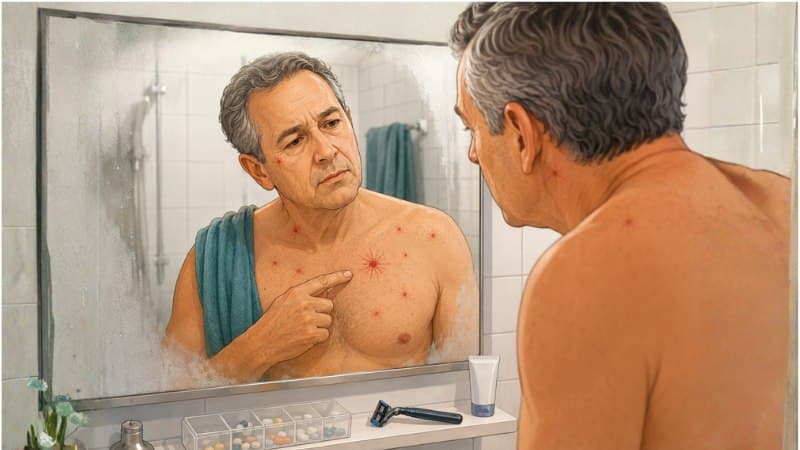
Spider Veins on My Chest and Face — Are They Related to Liver Disease?
Spider veins, or spider angiomas, on your chest and face may indicate liver disease. This article explores their causes, symptoms, and when to get tested.

Can Liver Disease Affect Your Sleep?
Liver disease can significantly affect your sleep and emotional well-being. This article provides guidance on discussing your diagnosis with family and friends.

Why Do I Bruise So Easily? Could It Be My Liver?
Easy bruising can be an early sign of liver disease, often overlooked as aging or clumsiness. This article explores the connection between bruising and liver function.

Can Liver Disease Make You Lose Weight Without Trying?
Unintentional weight loss in liver disease is a serious warning sign. This article explores the causes of muscle loss in cirrhosis and offers strategies to combat it.

Why Is My Belly Getting Bigger? Understanding Ascites in Liver Disease
This article explores the causes of a growing belly in liver disease, specifically focusing on ascites. Learn about its symptoms, treatment options, and how to manage it effectively.

What Medications Should I Avoid with Liver Disease?
This guide outlines medications to avoid with liver disease, including NSAIDs and sedatives. Learn about safe alternatives and necessary precautions.

Can I Take Tylenol with Liver Disease? How Much Is Safe?
This article explores the safety of taking Tylenol for individuals with liver disease. It clarifies the appropriate dosage and compares it to other pain relievers.

Can Cirrhosis Cause Confusion and Memory Problems?
Cirrhosis can cause significant cognitive changes known as hepatic encephalopathy. This article explores the symptoms, severity spectrum, and treatment options for those affected.

Can I Exercise with Cirrhosis? What's Safe?
Exercise is safe and beneficial for most people with cirrhosis. This article explores what types of exercise are safe, precautions to take, and how to get started.

Albumin Levels and Liver Disease: What Low Albumin Means and Why It Matters
This article explores the critical role of albumin in liver function and its implications for liver disease. Understand why monitoring albumin levels is essential for early detection and management.

What Does Liver Pain Actually Feel Like?
Liver pain is often described as a dull, throbbing ache in the upper right abdomen. This article explores the characteristics of liver pain and its potential causes.

Can You Have Cirrhosis and Not Know It?
Cirrhosis can often go unnoticed, with many individuals unaware they have it. This article explores the reasons behind silent liver disease and the signs to watch for.

My Partner Was Just Diagnosed with Cirrhosis: A Guide for Spouses and Partners
Discover how to support your partner diagnosed with cirrhosis. This guide offers essential information and practical advice for spouses and partners.

Liver Transplant Requirements: Who Qualifies and How the Process Works
This guide explores liver transplant requirements, including who qualifies and the evaluation process. Learn about MELD scores, disqualifications, and living-donor options.

Sodium Restricted Diet for Liver Disease: The Complete Practical Guide
Managing a sodium restricted diet is crucial for liver disease patients, especially those with cirrhosis and ascites. This practical guide offers essential tips and meal plans to help you reduce sodium intake effectively.

What Does Lactulose Do and Why Do I Have to Take It?
Lactulose is essential for liver disease patients, as it removes ammonia and prevents hepatic encephalopathy. This article explores its benefits, usage, and side effects.

Can Liver Disease Cause Itching All Over Your Body?
Itching all over your body can be a sign of liver disease. This article explores the causes of liver-related itching, its symptoms, and potential treatments.

Is Fatty Liver Serious or Will It Go Away on Its Own?
Fatty liver can be serious depending on its type. Simple fatty liver is usually low risk, but NASH can lead to severe complications. Early intervention is key.

Why Am I So Tired All the Time? Could It Be My Liver?
Persistent fatigue can be a sign of liver disease. This article explores how liver dysfunction contributes to tiredness and what symptoms to look for.

Can I Drink Alcohol If I Have Fatty Liver?
This article explores the relationship between alcohol and fatty liver disease. It outlines recommendations based on the severity of liver damage and offers alternatives to alcohol.

How Long Can You Live with Compensated Cirrhosis?
Compensated cirrhosis offers a hopeful prognosis, with many patients living over 12 years. Understanding management strategies can significantly impact life expectancy.

My Doctor Said I Have Fatty Liver — Should I Be Worried?
Fatty liver disease affects millions, but understanding its stages is crucial. Learn when to be concerned and how lifestyle changes can reverse it.

Just Diagnosed with Cirrhosis: What Happens Now?
Receiving a cirrhosis diagnosis can be overwhelming, but it's important to know that many live well for years. This article explores what to expect and the steps you can take now.

Bilirubin Levels: High, Low, and Normal Explained
Understanding bilirubin levels is crucial for liver health. This guide explains high, low, and normal bilirubin levels and their implications. Track your bilirubin effectively.
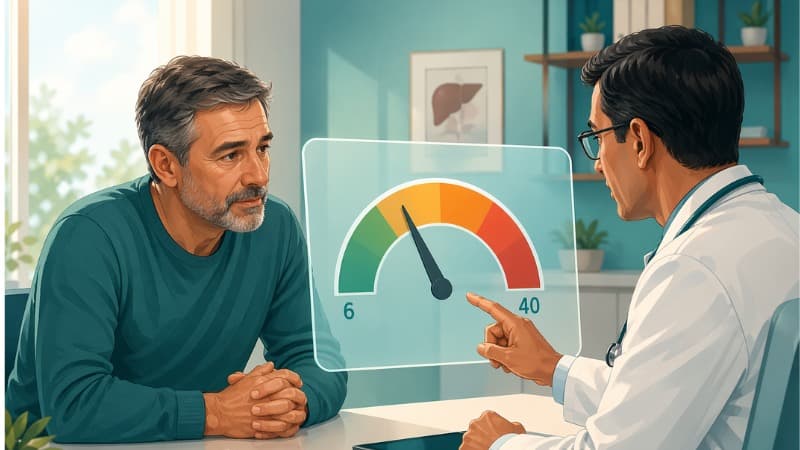
MELD Score Ranges Explained: What Each Number Means for You
This guide explains MELD score ranges and their significance for liver disease and transplant eligibility. Understand what each number means for your health.

Cirrhosis Diet Plan: What to Eat and Avoid for Every Stage
Navigating a cirrhosis diet can be complex. This guide outlines essential foods to eat and avoid, ensuring you meet your nutritional needs at every stage.

Foods That Are Bad for Your Liver: 10 Foods to Avoid and Why
Your liver is essential for processing food and drink, but certain foods can cause serious damage. This article outlines 10 foods to avoid for better liver health.

Normal Liver Enzyme Levels: What's Healthy and When to Worry
Understanding normal liver enzyme levels is crucial for your health. This guide explains what the numbers mean and when you should seek further evaluation.

Hepatic Encephalopathy: The Complete Patient Guide
This complete guide on hepatic encephalopathy explains its causes, symptoms, and treatment options. Learn how to monitor and manage this serious complication of cirrhosis.
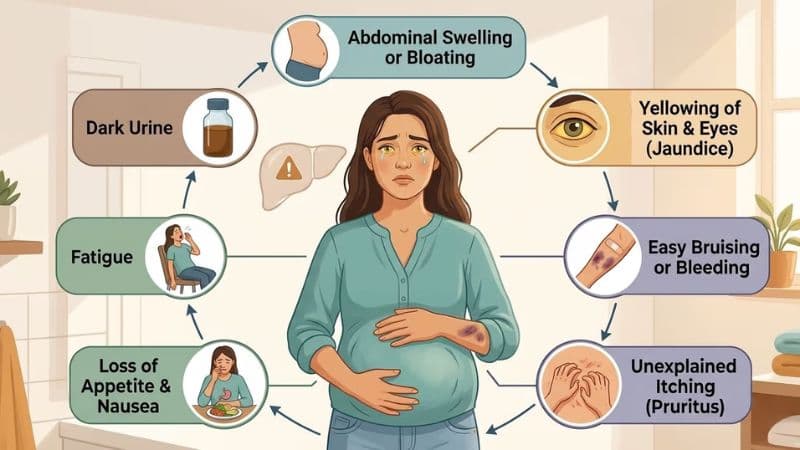
First Signs of Liver Problems: What Your Body Is Trying to Tell You
Your liver sends signals when something is wrong, but these signs are often overlooked. Learn about the early symptoms of liver problems and the importance of early detection.
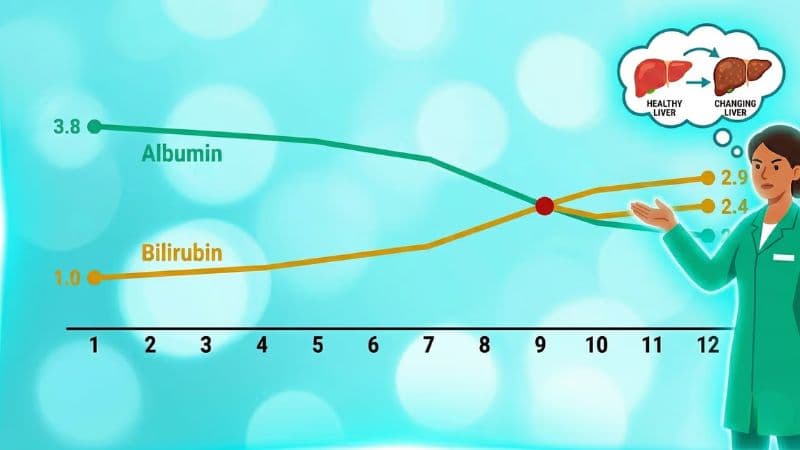
Why Tracking Your Lab Results Over Time Matters: The Power of Trends in Liver Disease
Tracking your lab results over time is essential for understanding liver disease progression. This article explores how trends can reveal critical health insights that single results miss.
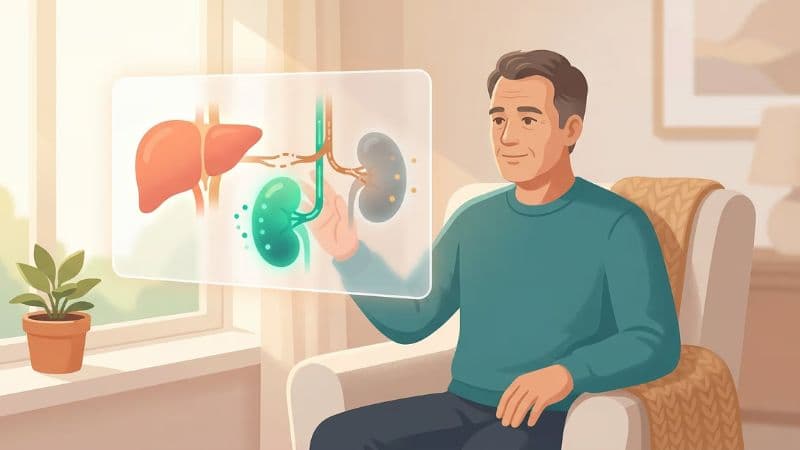
Dialysis and Liver Disease: When Your Kidneys Are Affected Too
This article discusses the connection between liver disease and kidney function, highlighting the risks of hepatorenal syndrome and the importance of monitoring creatinine levels. Understanding these relationships can help manage complications effectively.
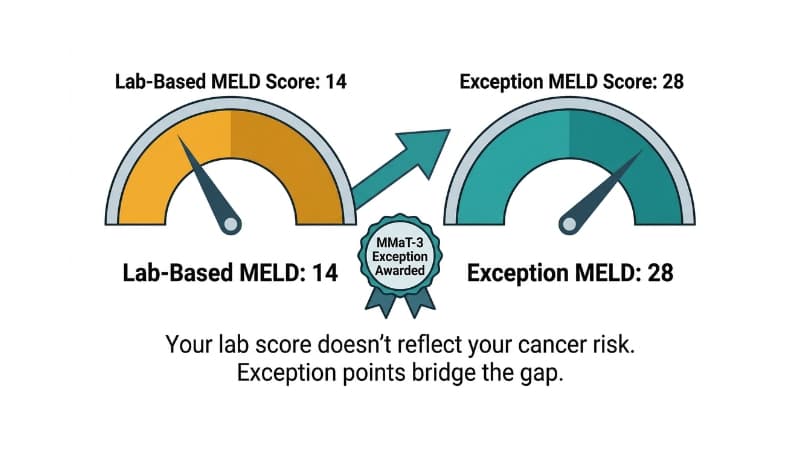
MELD Exception Points: When Your Score Doesn't Tell the Whole Story
This article explores MELD exception points and their importance for liver transplant patients. Understand how these points adjust your urgency for a transplant.
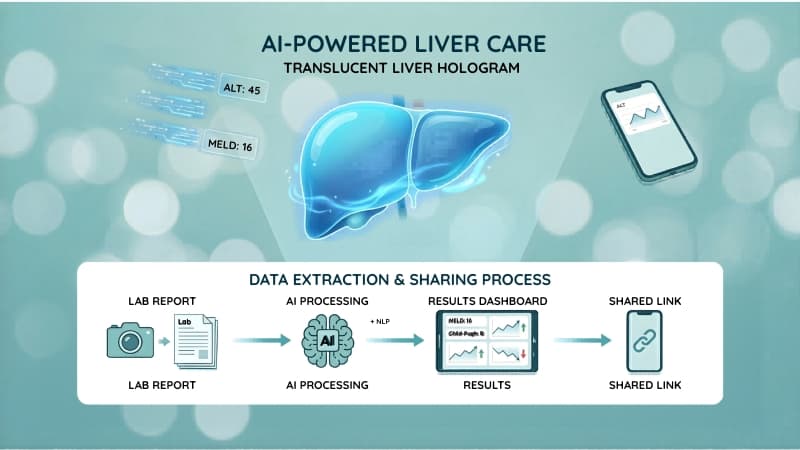
How AI Is Changing Chronic Liver Disease Management
Artificial intelligence is transforming the management of chronic liver diseases, improving detection, diagnosis, and patient monitoring. This article explores current AI applications and their benefits for patients.
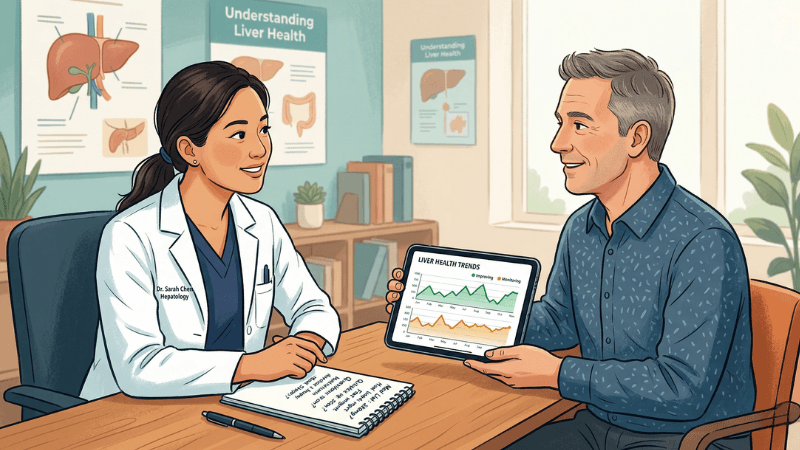
How to Talk to Your Hepatologist: 10 Questions Every Liver Patient Should Ask
Feeling unprepared for your hepatology appointment? This guide outlines 10 essential questions every liver patient should ask to ensure a productive visit. Learn how to make the most of your time with your hepatologist.
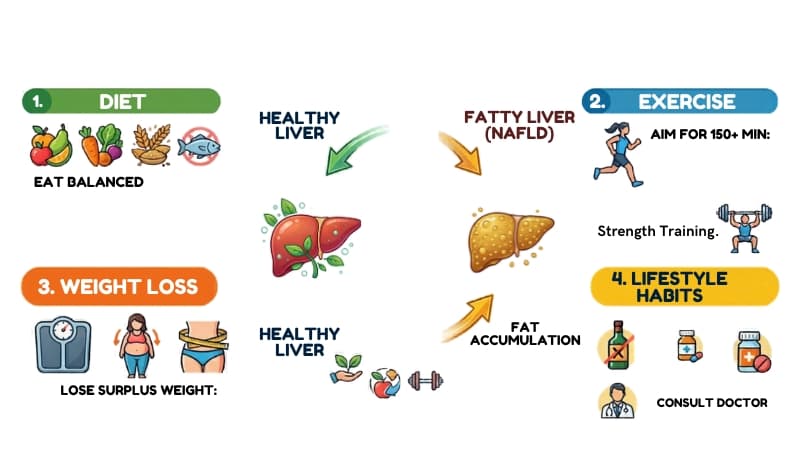
How to Reverse Fatty Liver Disease: A Complete NAFLD Treatment Guide
This comprehensive guide explains how to reverse fatty liver disease (NAFLD). Learn about lifestyle changes, medications, and monitoring strategies to improve your liver health.
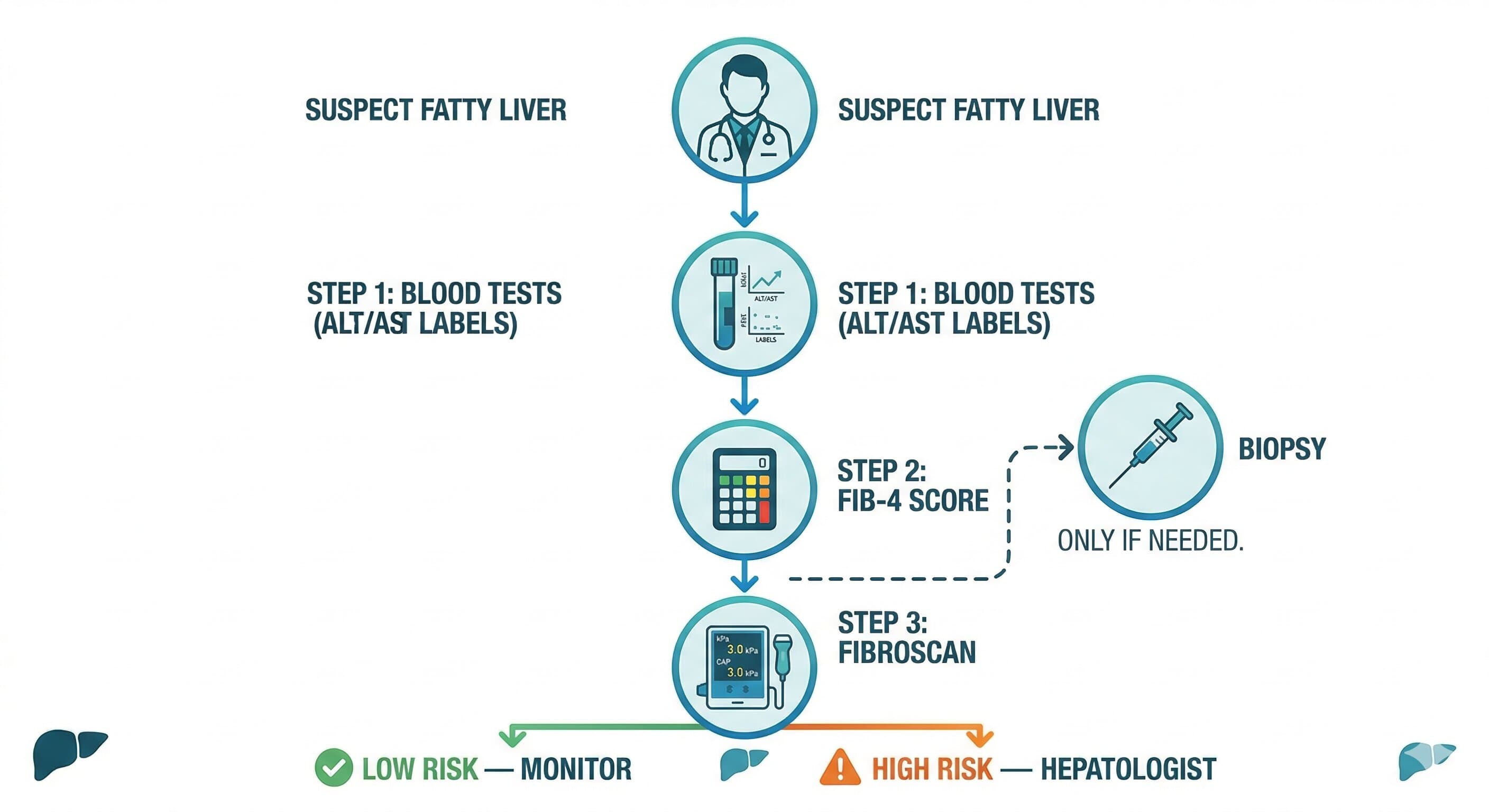
How Is NAFLD Diagnosed? Blood Tests, Imaging & Biopsy Guide
This guide explains how NAFLD is diagnosed using various tests including blood work, imaging, and biopsies. Understand what each test measures and how it contributes to your liver health assessment.

Fatty Liver in Your 30s: Why It Happens & How to Reverse It
Fatty liver disease is increasingly common among young adults. This article explores the causes, risks, and effective ways to reverse fatty liver in your 30s.
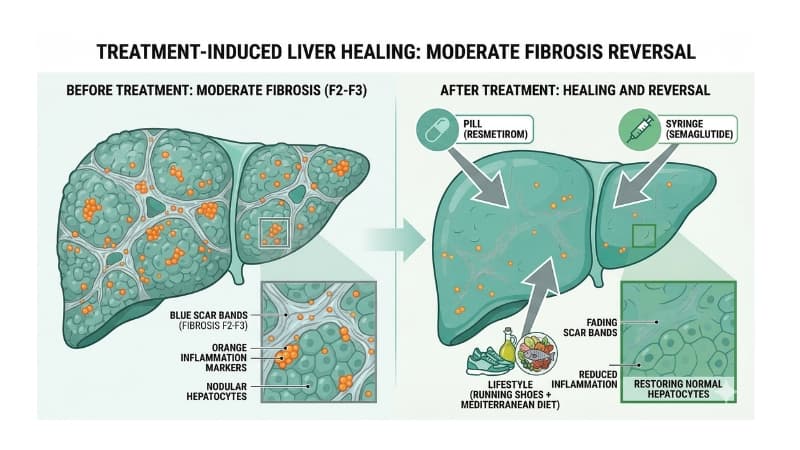
NASH with Fibrosis: What Stages F2 and F3 Mean, Your Treatment Options, and How to Fight Back
This article explains the significance of fibrosis stages F2 and F3 in NASH patients. It covers treatment options, risks, and how to manage your condition effectively.
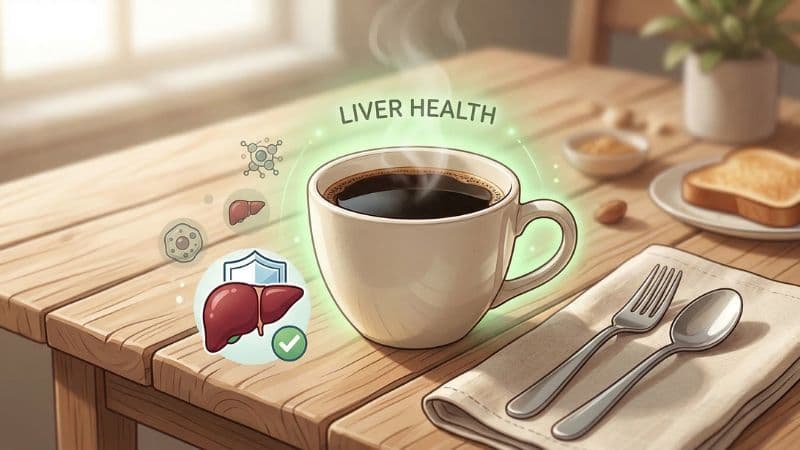
Is Coffee Good for Your Liver? What the Research Actually Says
This article explores the positive effects of coffee on liver health, backed by extensive research. Discover how regular coffee consumption can lower liver enzyme levels and reduce the risk of liver diseases.
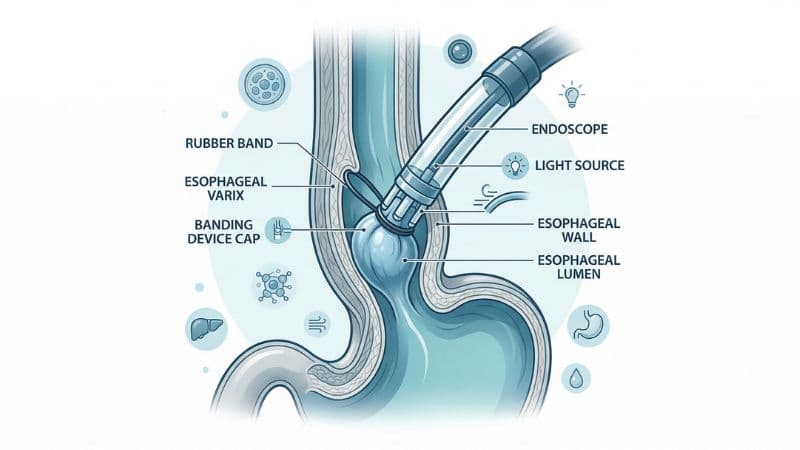
Endoscopic Variceal Ligation (EVL): Procedure, Recovery & Risks
This guide explains Endoscopic Variceal Ligation (EVL), a key treatment for esophageal varices. Understand the procedure, recovery, and associated risks.

How to Read Food Labels When You Have Liver Disease: A Patient's Guide to Safer Shopping
Navigating grocery stores can be challenging for liver disease patients. This guide helps you understand food labels to make safer, healthier choices.
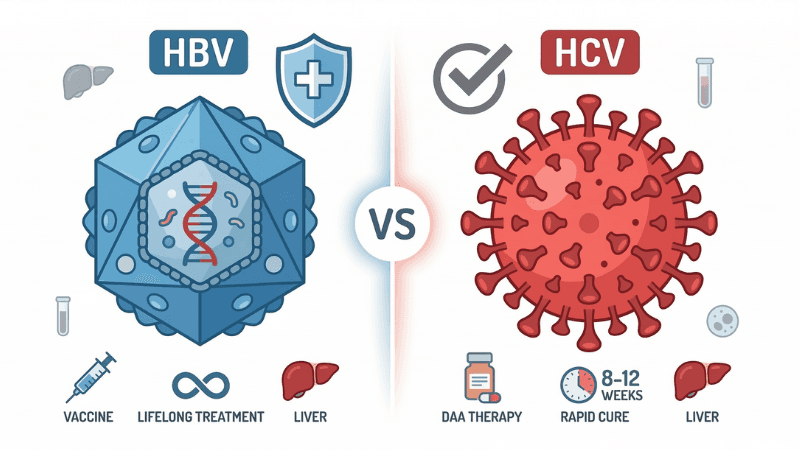
Hepatitis B vs Hepatitis C: Key Differences in Symptoms, Treatment, and Monitoring
This article explores the critical differences between hepatitis B and C, including transmission routes, symptoms, and treatment options. Understanding these distinctions is essential for patients and caregivers alike.
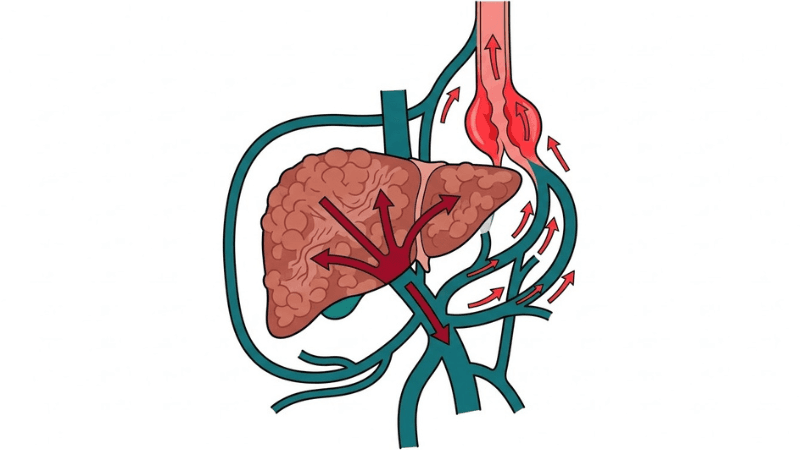
Portal Hypertension and Varices: What Every Liver Patient Should Know
This article explores portal hypertension and its complications, including varices. Learn about risks, detection, and treatment options to safeguard your liver health.
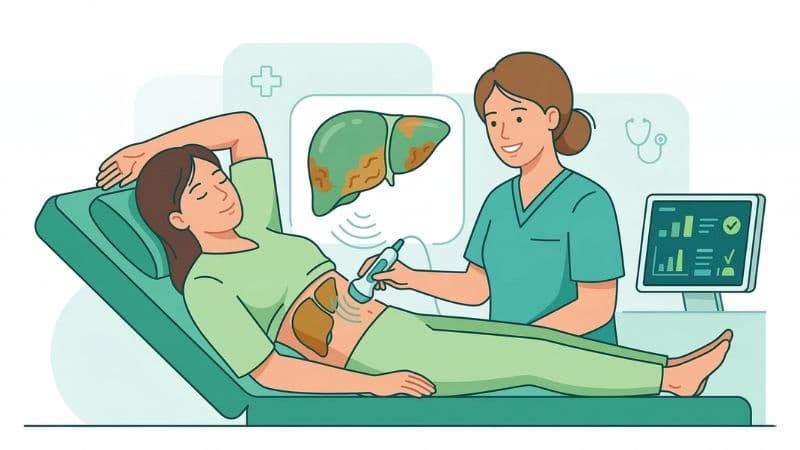
What Is a FibroScan? How Non-Invasive Liver Testing Works
A FibroScan is a quick and painless non-invasive test that measures liver stiffness and fat. This guide explains the process, preparation, and significance of your results.
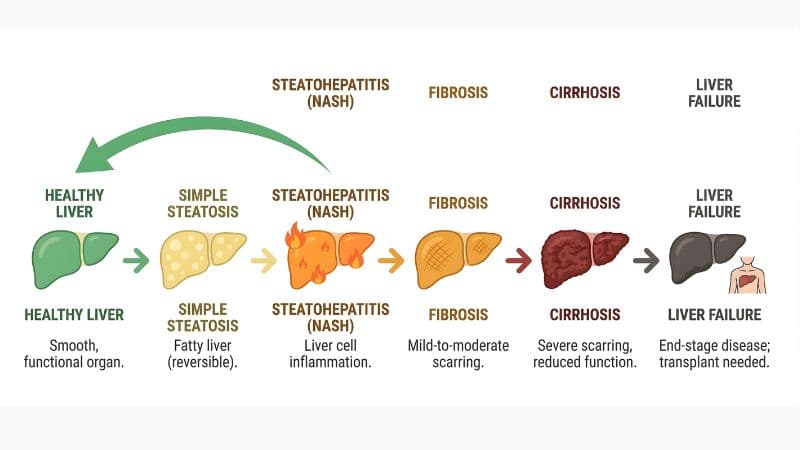
NAFLD vs NASH: What's the Difference and Why Should You Care?
This article explores the differences between NAFLD and NASH, two liver conditions that can significantly impact health. Understanding these distinctions is vital for effective management and prevention of serious liver damage.
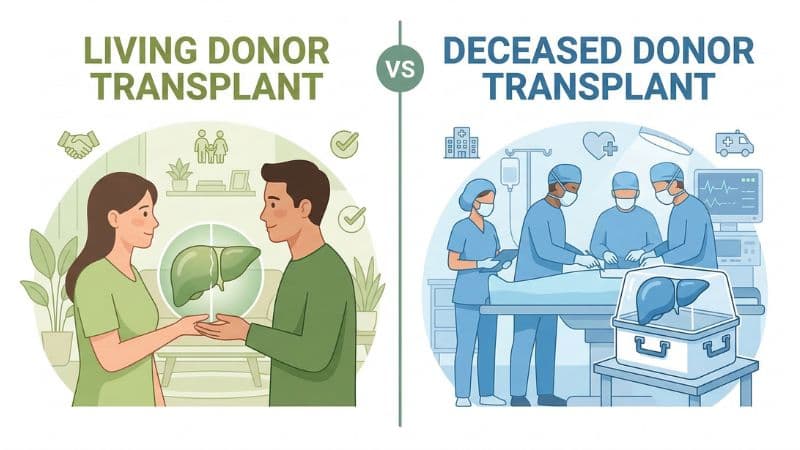
Understanding the Liver Transplant Waiting List: How It Works in the USA, UK, India, Canada, Germany & China
Understanding the liver transplant waiting list can be overwhelming. This guide explains the process, MELD scores, and differences across countries. Stay proactive while waiting.
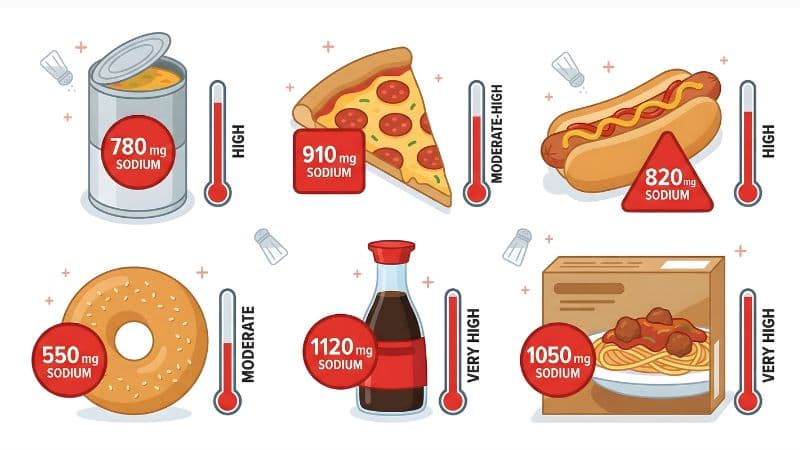
Why Sodium Matters More Than You Think When You Have Liver Disease
This article explores the importance of sodium in liver disease, particularly for patients with cirrhosis. Understand how sodium affects liver health and discover practical tips for reducing intake.
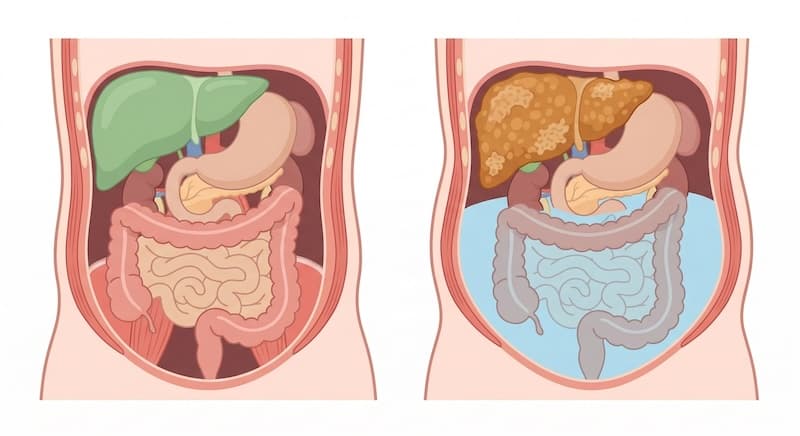
Living with Ascites: Causes, Symptoms, and How to Track Fluid Retention
Ascites is a common complication of cirrhosis, characterized by fluid buildup in the abdomen. This article explores its causes, symptoms, and tracking methods for effective management.

What Is MELD Score? A Patient-Friendly Guide to Understanding Your Liver Transplant Priority
This guide explains the MELD score, a crucial metric for liver health and transplant prioritization. Understand how it's calculated and its significance for patients.

Child-Pugh Score: What Class A, B & C Mean for Survival
The Child-Pugh score is crucial for assessing cirrhosis severity. This guide explains its components and what each class means for your health.
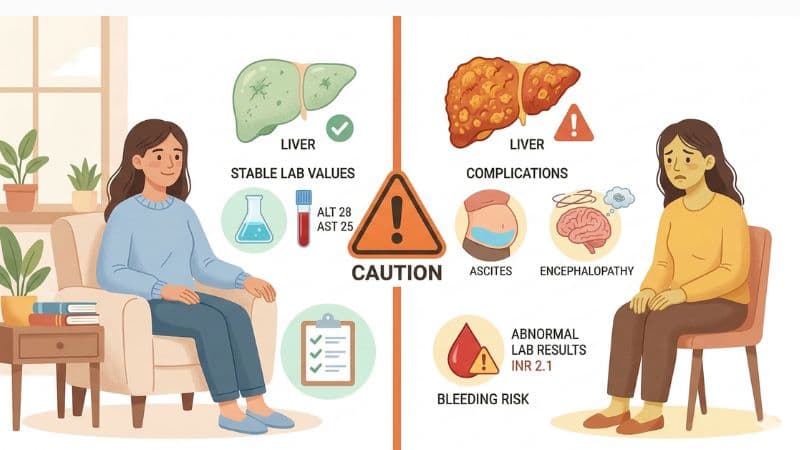
Compensated vs Decompensated Cirrhosis: Stages & Survival
This article explores the critical differences between compensated and decompensated cirrhosis, including stages, symptoms, and treatment options. Understanding your liver health is vital for effective management.

Complete Guide to Liver Function Tests: Understanding Your Results, Patterns, and Next Steps
This comprehensive guide explains liver function tests (LFTs), their significance, and how to interpret results. Discover the importance of discussing findings with your healthcare provider.
Get Liver Health Tips
Expert insights on liver health, nutrition, and lab results — delivered to your inbox.
No spam. Unsubscribe anytime.